
- For sale
-
Gallery
-
 Achatinidae
-
 Acavidae
-
 Ariophantidae
-
 Camaenidae
-
 Clausiliidae
-
 Discidae
-
 Dyakiidae
-
 Helicidae
-
 Chronidae
-
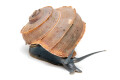 Pomatiidae
-
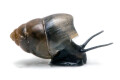 Pupinidae
-
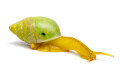 Streptaxidae
-
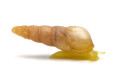 Subulinidae
-
 Veronicellidae
-
 Cambalopsidae
-
 Harpagophoridae
-
 Oxydesmidae
-
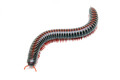 Pachybolidae
-
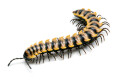 Paradoxosomatidae
-
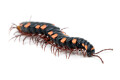 Polydesmidae
-
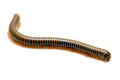 Pseudospirobolellidae
-
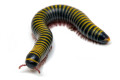 Rhinocricidae
-
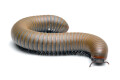 Spirobolidae
-
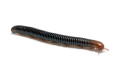 Spirostreptidae
-
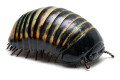 Zephroniidae
-
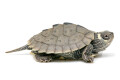 Emydidae
-
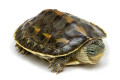 Geoemydidae
-
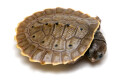 Chelidae
-
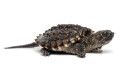 Chelydridae
-
 Kinosternidae
-
 Pelomedusidae
-
 Podocnemididae
-
 Testudinidae
-
 Agamidae
-
 Diplodactylidae
-
 Gekkonidae
-
 Iguanidae
-
Mabuyidae
-
 Scincidae
-
 Xantusiidae
-
 Scarabaeidae
-
 Boidae
-
 Armadillidiidae
-
 Porcellionidae
-
 Blaberidae
-
Ectobiidae
-
Salticidae
-
Theraphosidae
-
 Gryllidae
-
 Scorpionidae
-
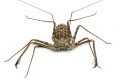 Phrynichidae
-
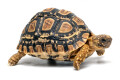











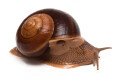
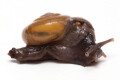
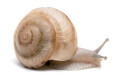
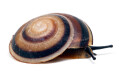
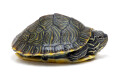
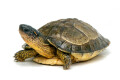
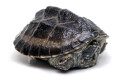
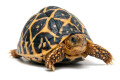
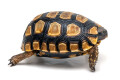
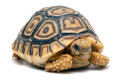
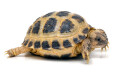
Stigmochelys pardalis Zambia
Leopard Tortoise
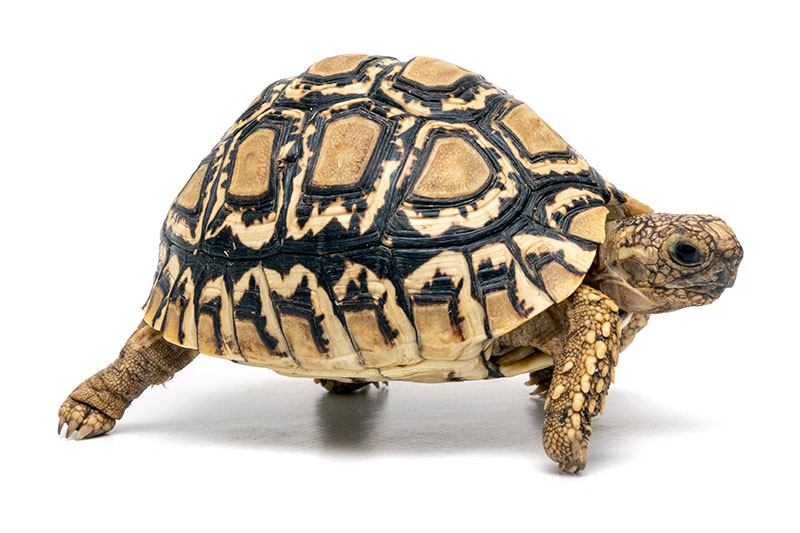
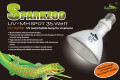
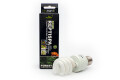
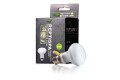
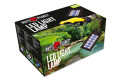
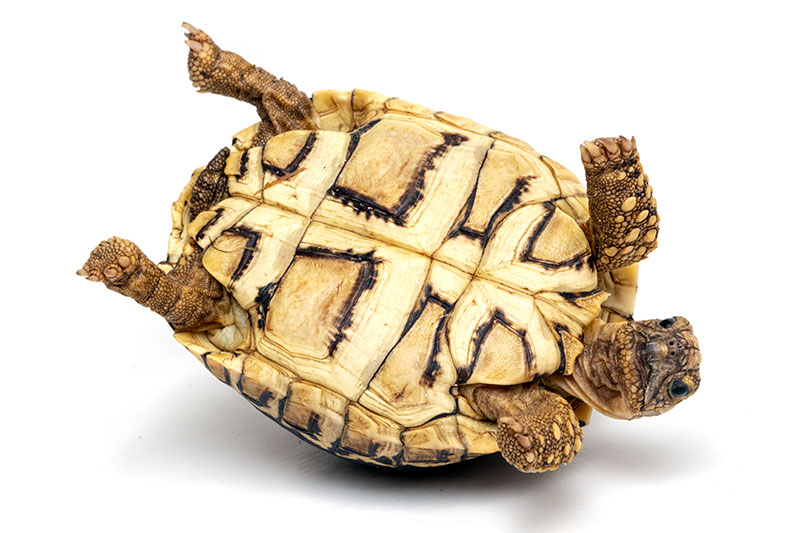
The leopard tortoise is a larger species of terrestrial turtle with a distinctly arched shell. In captivity, it is a trouble-free turtle that has the same requirements for breeding as other species of steppe terrestrial turtles. We must therefore provide a suitable source of UVB radiation and a suitable plant diet (dandelion and other meadow plants in summer and Chinese cabbage in winter). Even though these turtles are from dry areas, they must always have a bowl of fresh water in their tank. It is also a good idea to bathe the hatchlings regularly.
Forms from these areas were previously classified as subspecies babcocki, but new findings suggest that the genetic differences are not great enough to distinguish them as subspecies. Nevertheless, the differences between the former pardalis babcocki and pardalis pardalis are significant, both in size (pardalis is significantly larger) and, for example, in egg incubation (pardalis needs diapause).
Stigmochelys pardalis Zambia
Leopard Tortoise
- Breeding difficulty:
- Easy
- Generation:
- ?
- Size:
- 7 - 8 cm
- Adult size:
- 30 - 50 cm
- Sex:
- ?
- Available:
- 0 pcs
- Price:
- €126.1
Stigmochelys pardalis Zambia
Leopard Tortoise
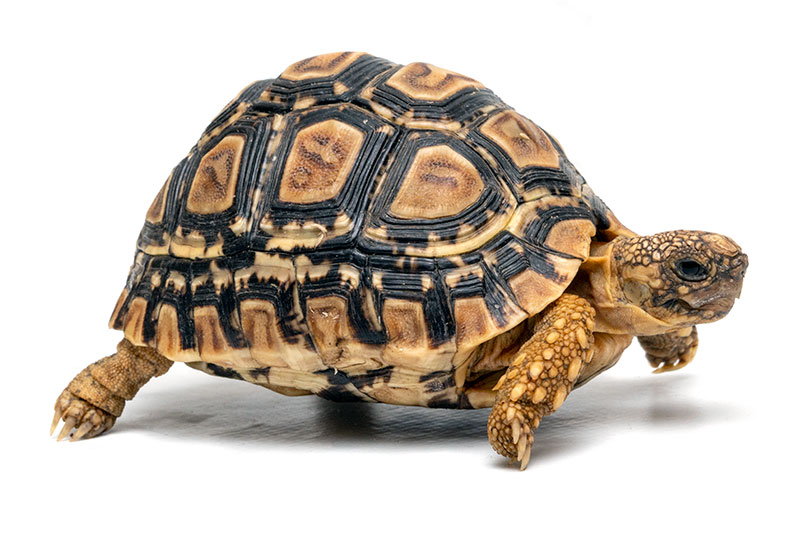
- Breeding difficulty:
- Easy
- Generation:
- ?
- Size:
- 9 - 10 cm
- Adult size:
- 30 - 50 cm
- Sex:
- ?
- Available:
- 0 pcs
- Price:
- €152.2
© 2026 Tomáš Protiva - Landsnails.org. All rights reserved.